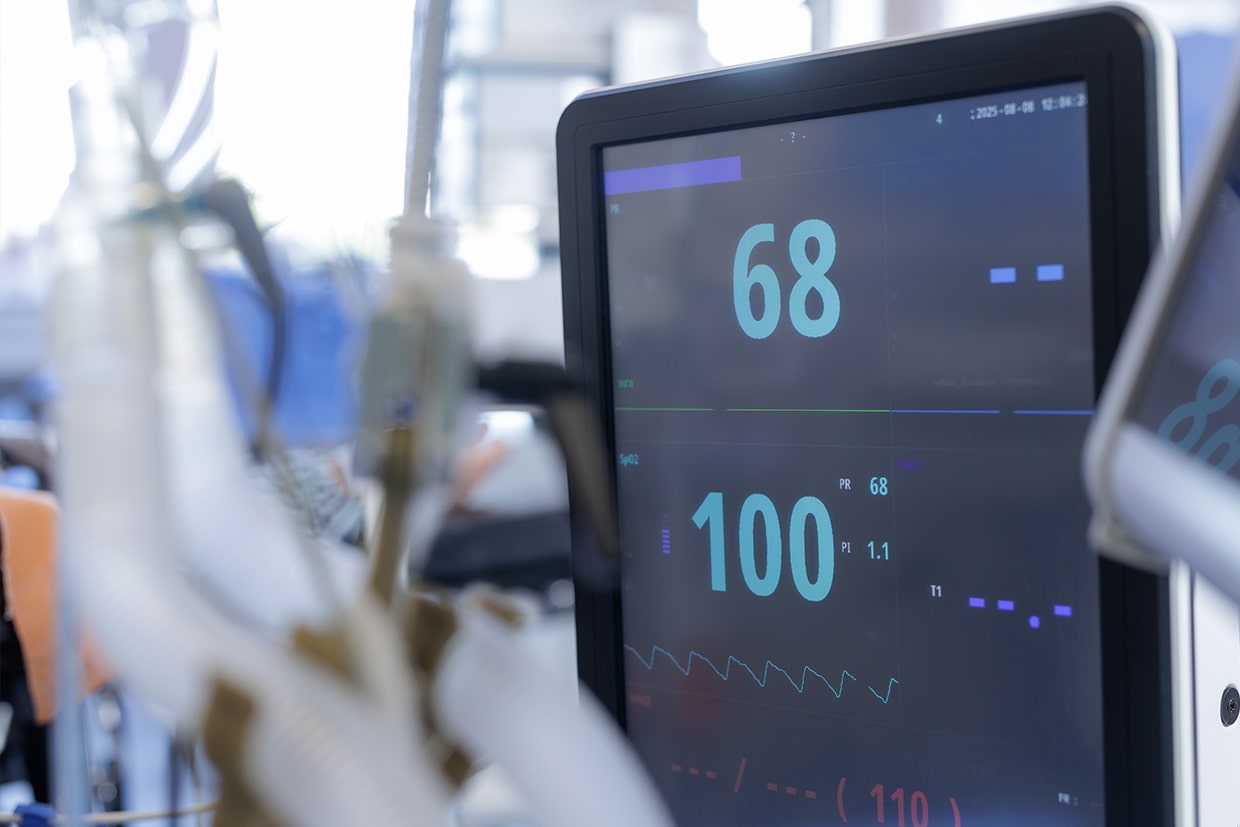


Comfort and Calm: Nitrouseal® Sedation System
Patient comfort is our top priority. The Nitrouseal® Sedation System uses nitrous oxide (laughing gas) to provide immediate, safe relief from anxiety and discomfort during minor in-office urological procedures. Experience a relaxed, stress-free visit with a rapid recovery.
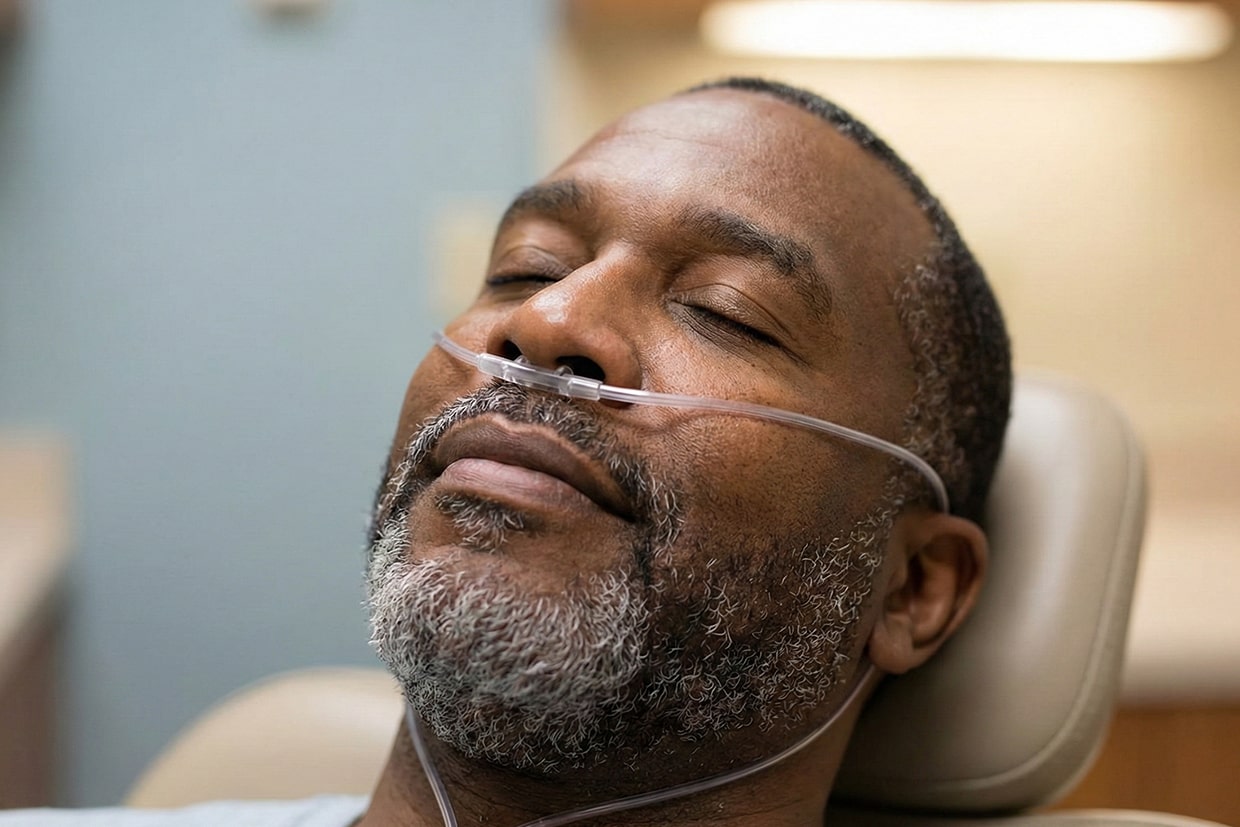
Your Quick and Comfortable In-Office Procedure
We integrate the Nitrouseal® system seamlessly into your care plan, ensuring your focus remains on your health, not on anxiety or pain.

Addressing Anxiety in Medical Procedures
It is natural to feel anxious about medical procedures, even minor ones performed in the office. This anxiety can heighten sensitivity to discomfort and make the experience difficult. Our goal is to eliminate this stress entirely.
The Limitations of Traditional Sedation
- Delayed Recovery: Traditional oral sedatives can take hours to wear off, requiring someone else to drive you home.
- Less Control: These sedatives often provide inconsistent anxiety relief, sometimes leaving patients feeling groggy or overly sedated.
- Increased Logistics: Managing recovery from heavier sedation adds complexity and expense to a simple office visit.
The Need for Immediate, Controllable Comfort
For procedures like cystoscopy, prostate biopsies, or minor interventions, patients need a solution that offers immediate, controllable relief that can be reversed just as quickly. Nitrouseal® meets this exact need.
Nitrouseal®: Controllable, On-Demand Anxiety Relief
Nitrouseal® is a patient-administered system that delivers a mix of oxygen and nitrous oxide gas, which the patient breathes through a mask. This creates a state of profound relaxation and calm without causing loss of consciousness.
Key Benefits of Nitrous Oxide Sedation
- Patient-Controlled: The patient controls the mask, ensuring they receive the exact amount of relaxation needed for comfort.
- Rapid Onset and Reversal: Relaxation takes effect in just minutes, and the effects wear off almost immediately once pure oxygen is administered.
- Enhanced Safety: This approach avoids the complex logistics and risks associated with heavier intravenous (IV) sedation.
Procedures Enhanced by Nitrouseal®
We utilize the Nitrouseal® system to ensure comfort during a wide range of common in-office urological procedures, including prostate biopsies, vasectomies, cystoscopies, and UroLift treatments.
Real Patients. Real Stories. Real Results.
Read their stories to see how our personalized care and innovative treatments have helped people like you find relief and get back to living life to the fullest.

Frequently Asked Questions about Nitroseal® Sedation
Understanding your comfort options is key to a stress-free visit. Here are the most frequently asked questions about the Nitrouseal® Sedation System.