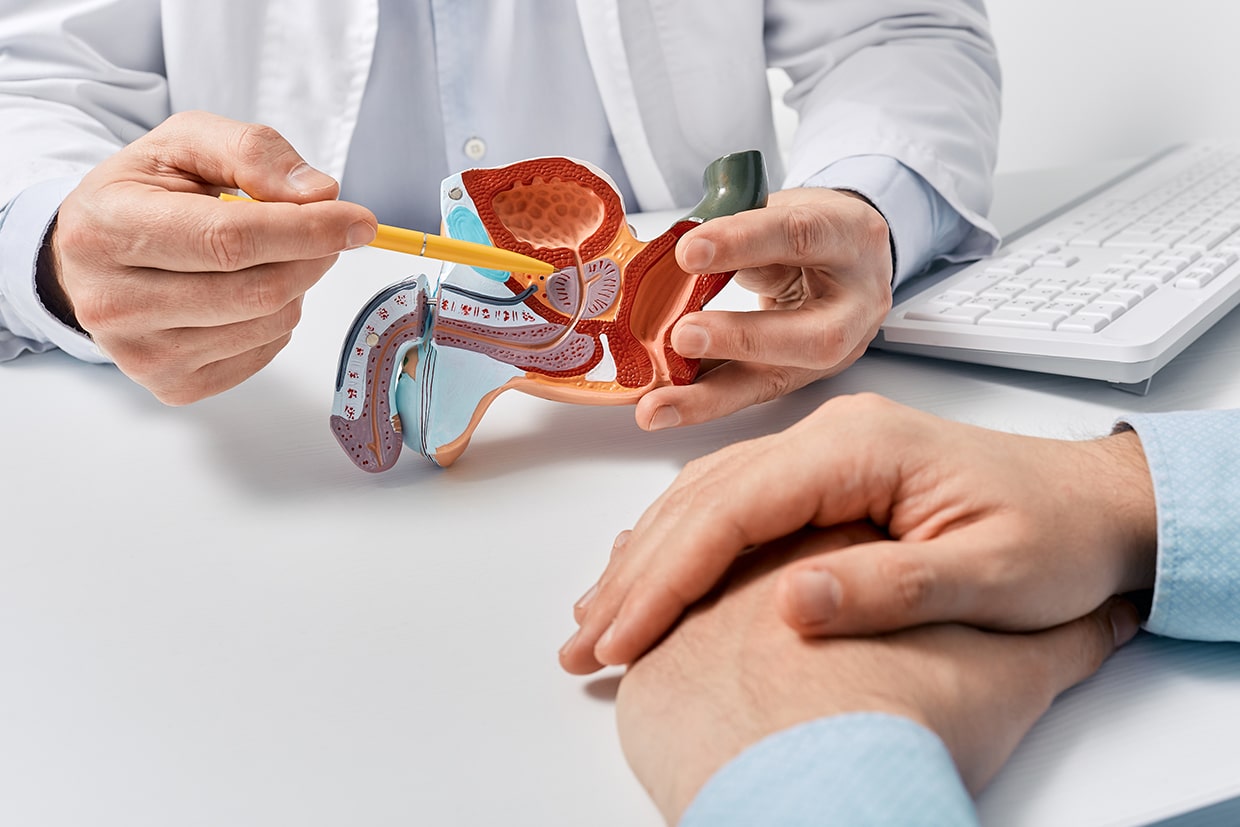


Personalized Hope: Comprehensive Prostate Cancer Treatment
Receiving a prostate cancer diagnosis can be daunting, but today's treatments are highly successful. Northwoods Urology provides a full range of progressive options, from watchful waiting to advanced robotic surgery. We partner with you to select a precise, individualized strategy based on your diagnosis, lifestyle, and health goals.

Your Structured Path After Diagnosis
We guide you through the critical steps following a prostate cancer diagnosis, ensuring clarity and confidence in your treatment decisions.
Videos: Navigating Your Prostate Cancer Treatment Options
Watch our urology experts discuss the latest advancements in prostate cancer care. This video provides a clear overview of how the stage of cancer determines the best treatment path and explains the pros and cons of active surveillance, surgery, and radiation.

Understanding a Prostate Cancer Diagnosis
Prostate cancer occurs when malignant (cancerous) cells form in the tissues of the prostate gland. It is the second most common cancer in American men, but with modern detection and treatment, the prognosis is often excellent, especially when found early.
Key Diagnostic Factors
A personalized treatment plan relies heavily on understanding three key factors:
- PSA Level: Prostate-Specific Antigen blood test results.
- Gleason Score: A grading system used to determine how aggressive the cancer cells appear under a microscope.
- Stage of Cancer: Whether the cancer is confined to the prostate (localized) or has spread elsewhere (advanced).
The Importance of Second Opinions
Facing cancer requires making informed decisions. We encourage patients to seek a detailed consultation, reviewing their diagnosis and ensuring they are comfortable with the proposed treatment path before proceeding.
Customized Strategies for Treating Prostate Cancer
Our approach to prostate cancer is comprehensive, utilizing a wide range of therapies to match the specific aggressiveness and stage of your disease.
Active Surveillance (Watchful Waiting)
For low-risk, slow-growing cancers, we may recommend Active Surveillance. This involves close monitoring through regular PSA tests, digital rectal exams (DREs), and periodic biopsies, delaying treatment unless the cancer shows signs of progression.
Advanced Surgical Options
When removal is necessary, we prioritize minimally invasive techniques for the best outcomes and shortest recovery times.
- Robotic-Assisted Prostatectomy: Utilizes advanced robotic systems to precisely remove the cancerous prostate gland with smaller incisions, less blood loss, and faster return of continence and sexual function.
- Standard Radical Prostatectomy: Traditional open surgery is used in specific, complex cases where robotic assistance may not be appropriate.
Other Therapeutic Options
We coordinate care with oncologists to provide complete therapeutic solutions.
- Radiation Therapy: Uses high-energy rays to kill cancer cells, often delivered through external beam radiation or brachytherapy (internal seed implants).
- Hormone Therapy: Medications used to stop the body from producing testosterone, which prostate cancer cells use to grow.
Real Patients. Real Stories. Real Results.
Read their stories to see how our personalized care and innovative treatments have helped people like you find relief and get back to living life to the fullest.





Frequently Asked Questions for Prostate Cancer Diagnosis
Understanding your treatment options is key to facing prostate cancer with confidence. Here are the answers to the most common questions our patients ask following a diagnosis.