


Find Confidence: Expert Care for Urinary Incontinence
Urinary Incontinence (UI) is a common issue that causes stress and limits your life, but it is highly treatable. Northwoods Urology offers a confidential, personalized approach to accurately diagnose the cause and implement effective solutions, from strengthening therapies like BTL Emsella® to advanced surgical options. Reclaim your confidence and freedom.

Your Discreet 3-Step Plan for Relief
We have streamlined the path to restoring bladder control. Our approach ensures your comfort and privacy as we move efficiently toward finding the best possible solution for you.
Videos: Understanding Urinary Incontinence and Treatment
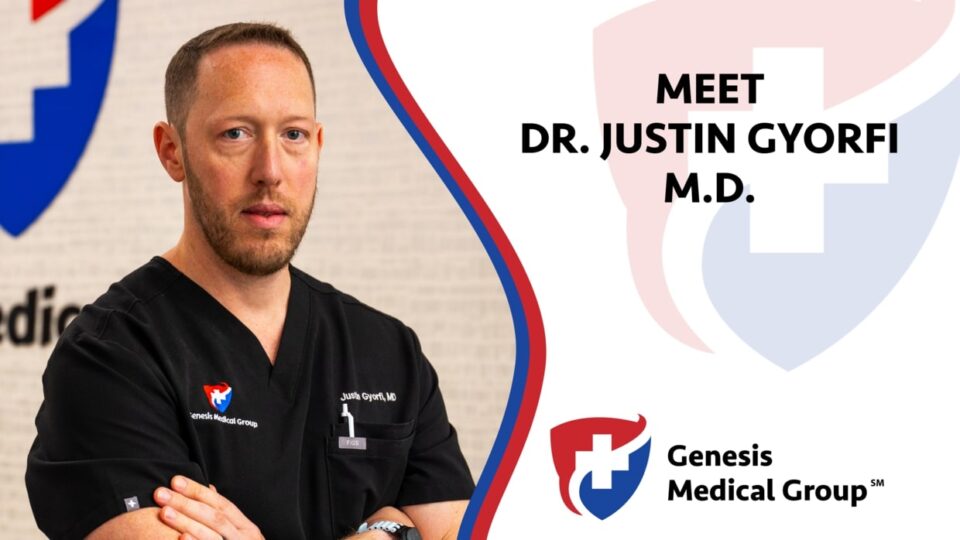
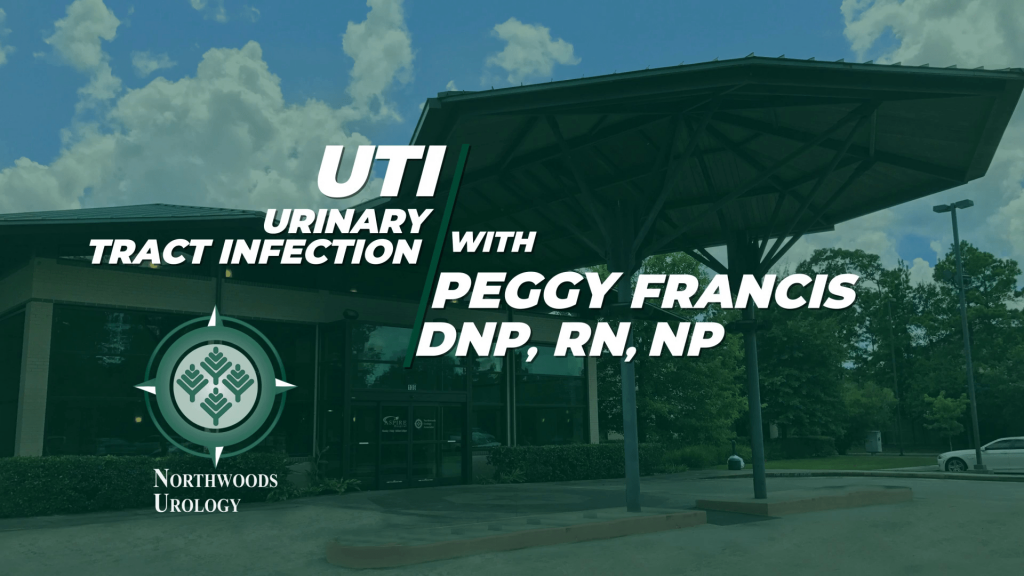
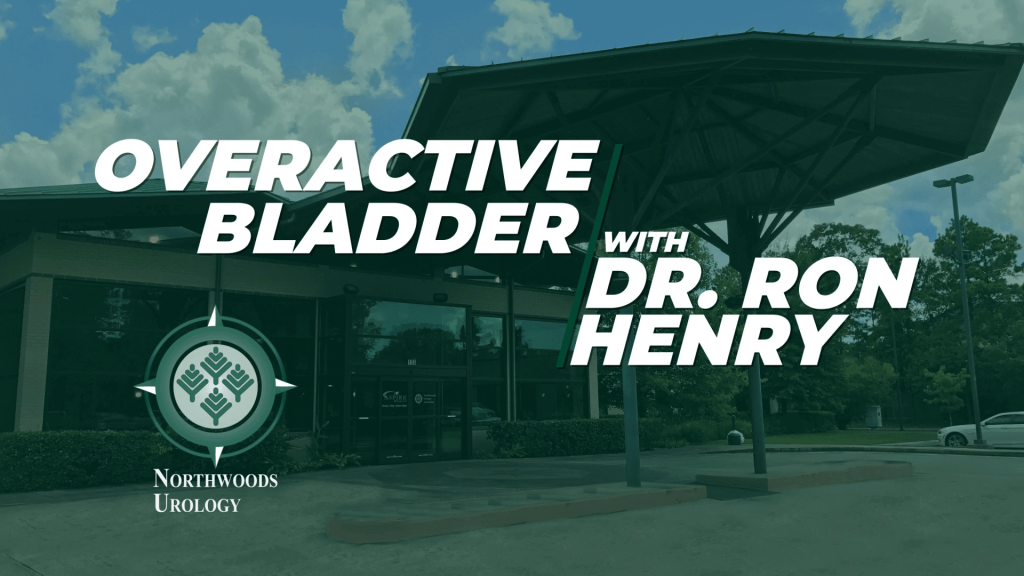
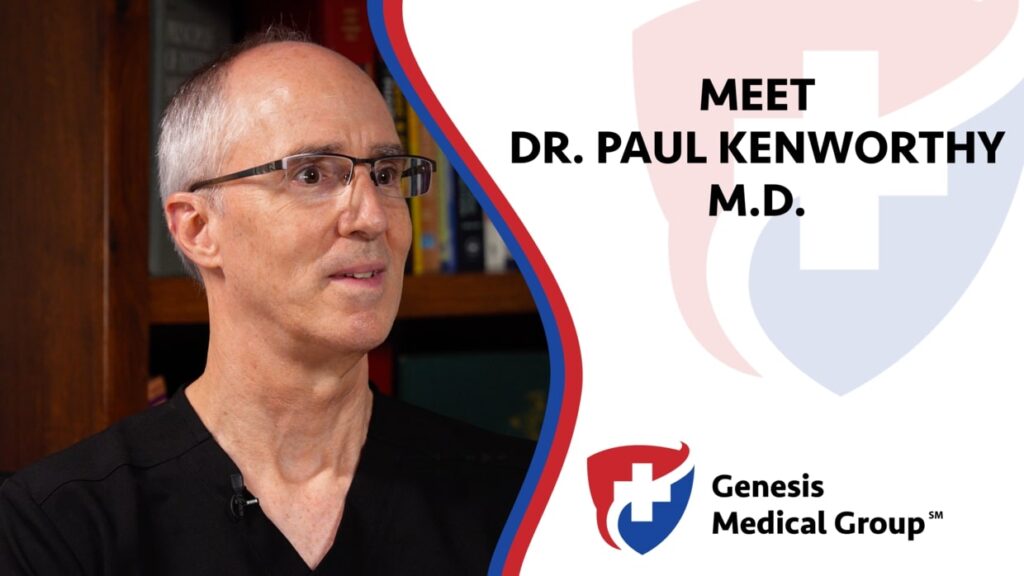
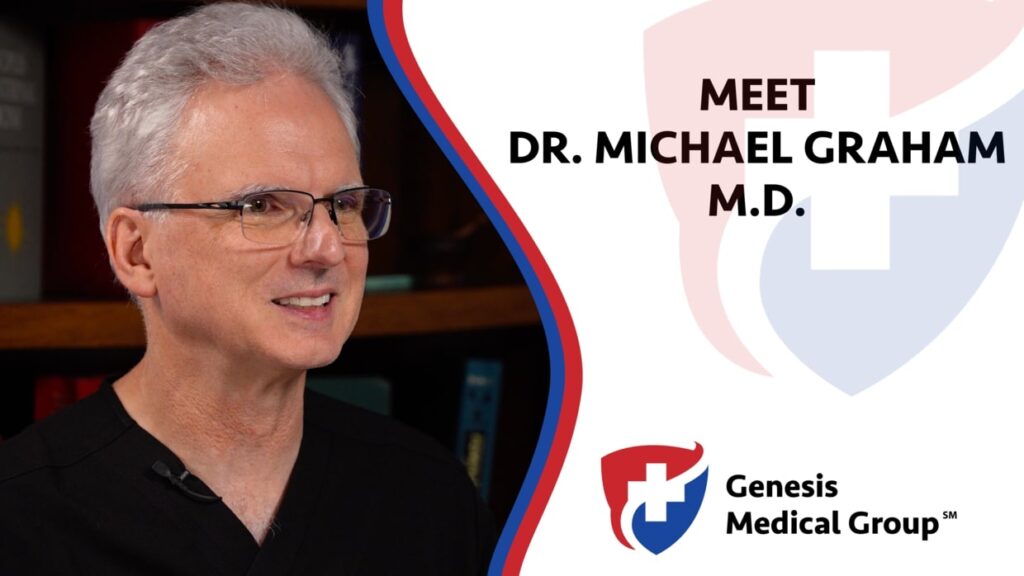
Watch our urology team discuss the different types of urinary incontinence (UI) and the impact it has on daily life. This video clearly explains the role of the pelvic floor and highlights the highly effective, modern treatment options available at our clinics.
Identifying the Specific Type of Incontinence
Urinary Incontinence (UI) is not a single condition; it's a symptom that requires precise diagnosis. Understanding whether you have stress, urge, or mixed incontinence is essential for prescribing the most effective treatment.
Common Types of Incontinence
- Stress Incontinence: Leakage caused by increased pressure on the bladder, such as from coughing, sneezing, lifting, or exercising. It is often related to weak pelvic floor muscles.
- Urge Incontinence: Characterized by a sudden, intense urge to urinate followed by involuntary loss of urine. This is typically associated with an overactive bladder (OAB).
- Overflow Incontinence: Frequent or constant dribbling of urine due to the inability to completely empty the bladder, often caused by an obstruction or weakened bladder muscle.
Underlying Causes
The causes range from anatomical issues to neurological and muscular problems:- Weakened Pelvic Floor: Common after childbirth, menopause, or prostate surgery.
- Nerve Damage: Conditions like diabetes or neurological disorders can affect bladder signals.
- Age-Related Changes: Changes in muscle tone and capacity of the bladder as you age.
Comprehensive Solutions for Lasting Bladder Control
Our specialists are experts in treating all forms of UI, ensuring your treatment plan is tailored to the specific type and underlying cause of your condition. We prioritize minimally invasive and non-surgical therapies.
Non-Surgical and Lifestyle Therapies
For many patients, significant improvement can be achieved without surgery.
- Pelvic Floor Exercises (Kegels): Strengthening the muscles that support the bladder and urethra.
- BTL Emsella®: A non-invasive chair that uses electromagnetic energy to deliver thousands of supramaximal contractions, rebuilding pelvic floor strength quickly and effectively.
- Medications: Prescribed to calm an overactive bladder (for Urge Incontinence) or help with proper bladder emptying.
Minimally Invasive Procedures
When non-surgical options are insufficient, we offer several effective, advanced procedures:
- Sling Procedures: Placement of a synthetic mesh or tissue to create a "sling" of support for the urethra (primarily for Stress Incontinence).
- Bulking Agents: Injecting material around the urethra to narrow the opening and increase resistance to leakage.
- Sacral Neuromodulation (InterStim): A small device implanted to modulate the nerve signals between the bladder and the brain (primarily for Urge Incontinence/OAB).
Real Patients. Real Stories. Real Results.
Read their stories to see how our personalized care and innovative treatments have helped people like you find relief and get back to living life to the fullest.
Frequently Asked Questions for Bladder Control
If you are struggling with bladder control, it is essential to get clear answers. Here are the most frequently asked questions about the diagnosis and treatment of urinary incontinence.