


Specialized Microsurgery for Vasectomy Reversal
If your family plans have changed, a vasectomy reversal offers a path to restore fertility. Our urologists are specialists in complex microsurgical techniques to reconnect the vas deferens. We provide sensitive, expert guidance and care, maximizing your chances of successful conception.

The Path to Restored Fertility
Our process for vasectomy reversal is comprehensive, focusing on precise microsurgery and meticulous follow-up to optimize outcomes.
Expert Videos: Understanding Vasectomy Reversal Microsurgery
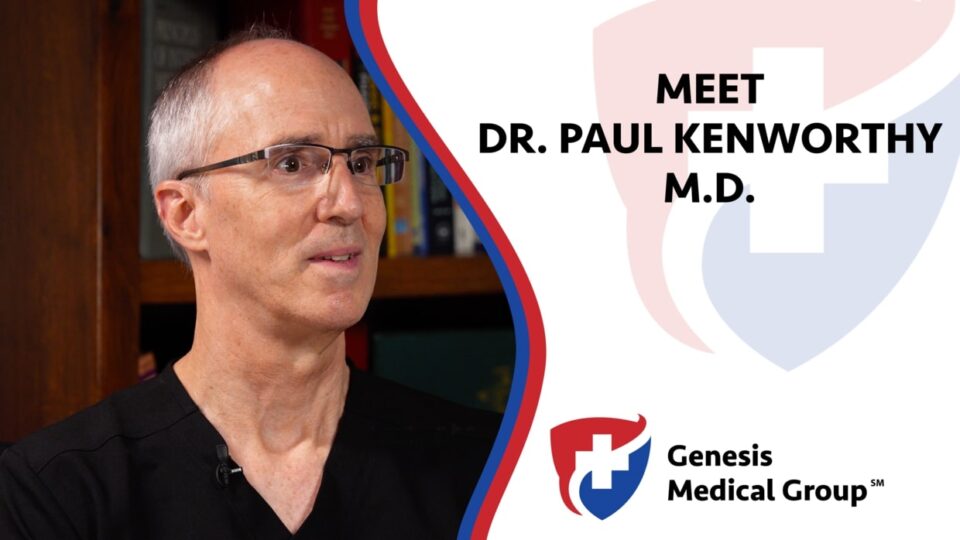
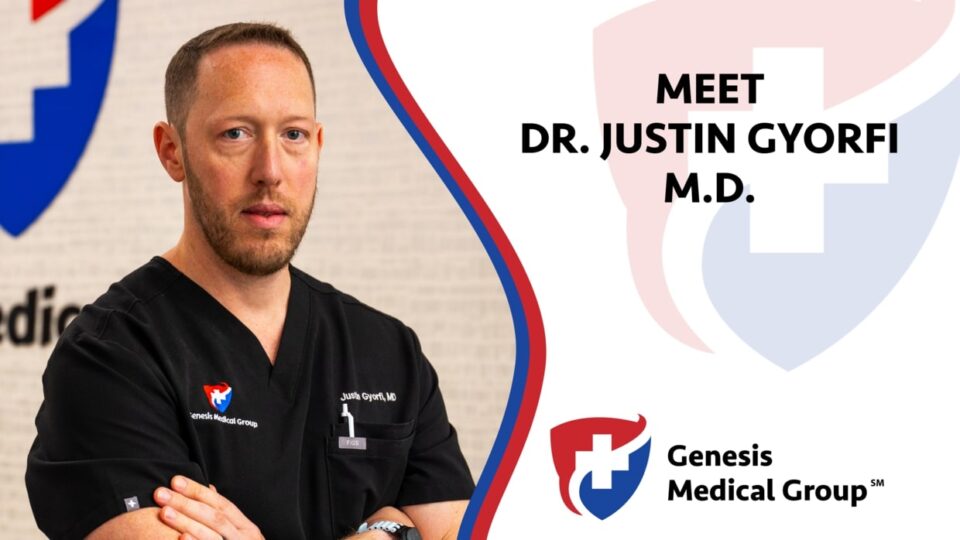
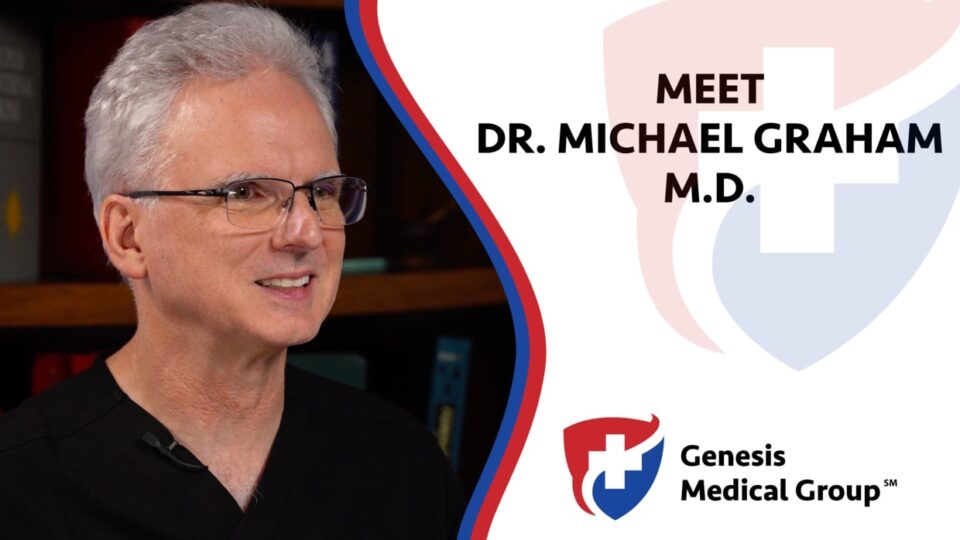
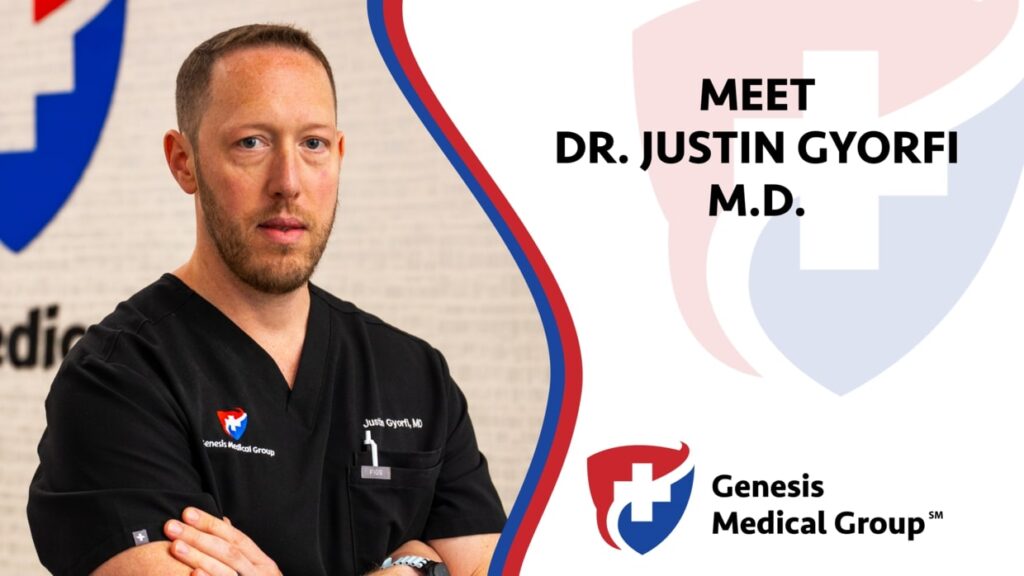
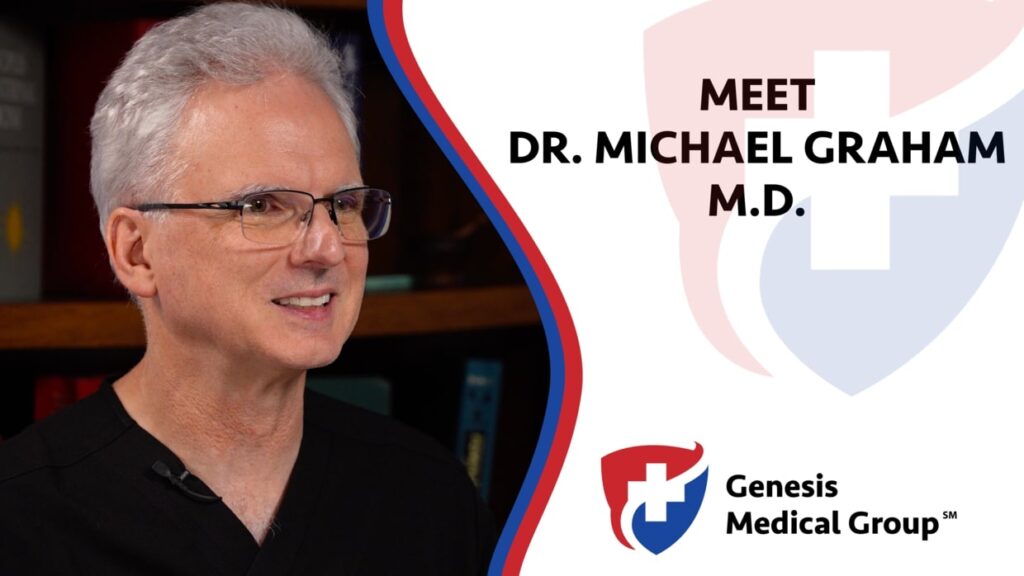
Watch our urology specialists explain the intricate microsurgical techniques required for vasectomy reversal. This video details the procedure, the factors that influence success rates, and the high level of surgical expertise needed for optimal results.
The Complexities of Restoring Male Fertility
A vasectomy is intended to be permanent, which means its reversal is a delicate, complex procedure. While desire for a reversal is the primary reason, our focus is on evaluating the specific anatomical challenges affecting sperm flow.
Factors Affecting Success
The likelihood of a successful sperm return is directly related to time.
- Time Since Vasectomy: Success rates are highest when the reversal is performed soon after the original vasectomy, generally within 10 years.
- Sperm Quality: The presence and quality of sperm found at the time of surgery dictate the complexity of the necessary connection.
- Surgical Expertise: Vasectomy reversal requires specialized microsurgical training to ensure a precise, open connection is achieved.
Reasons for Seeking Reversal
The decision to pursue a reversal is often due to unforeseen life events, such as remarriage or a change in family planning goals. Our team approaches this decision with the utmost sensitivity and support.
Microsurgery: Reconnecting the Vas Deferens
Vasectomy reversal requires an extremely high degree of surgical skill, often utilizing a high-powered operating microscope to stitch the tiny vas deferens tubes back together.
Two Primary Surgical Techniques
The type of surgery performed is determined during the operation, based on whether a blockage has developed upstream of the original vasectomy site.
- Vasovasostomy: The most common procedure, involving the direct reconnection of the two ends of the vas deferens, similar to an extremely delicate plumbing repair.
- Vasoepididymostomy (VE): A more complex procedure required when a secondary blockage has formed near the epididymis. This involves connecting the vas deferens directly to the tiny epididymal tube.
The Role of Precision
Success hinges on the precision of the connection. Our specialists are trained in the two-layer microsurgical technique, which ensures a watertight, accurate connection to maximize the chances of sperm returning to the ejaculate.
Real Patients. Real Stories. Real Results.
Read their stories to see how our personalized care and innovative treatments have helped people like you find relief and get back to living life to the fullest.
Frequently Asked Questions for Vasectomy Reversals
The decision to pursue a vasectomy reversal is significant. Here are the answers to the most common questions our patients ask regarding success, recovery, and cost.